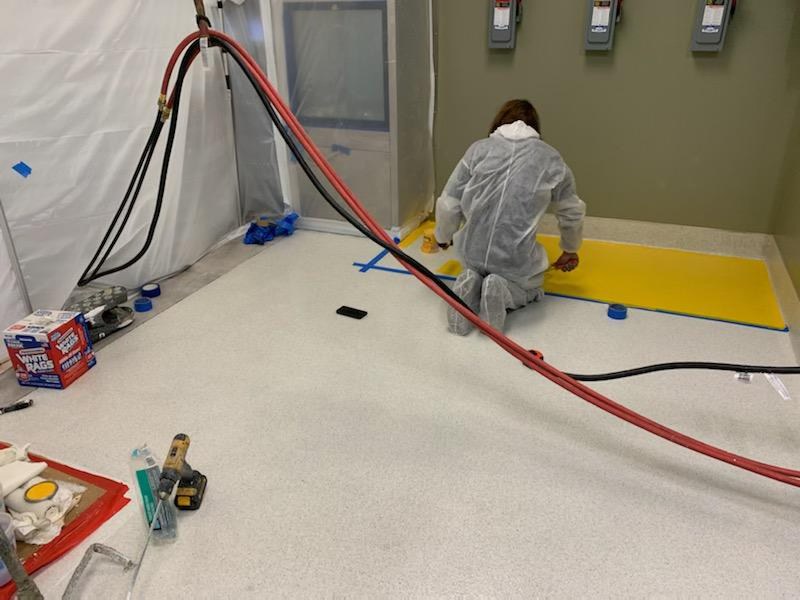
Let's discuss concrete finishing in Colorado. If you are searching for Epoxy Flooring Colorado to deliver high-performance resin systems built to last. Epoxy Flooring Colorado for professional installation and long-term reliability.. It's more involved than simply pouring concrete because our climate complicates things. Freeze-thaw cycles can harm concrete if you aren't careful. Constant expansion and contraction leads to cracks. So, picking the right finish matters.
Consider where the concrete goes. Does a warehouse floor need to withstand heavy machinery? Or does a showroom floor need to look good and be durable? Maybe a garage floor must resist oil spills and road salt. Each has different needs.
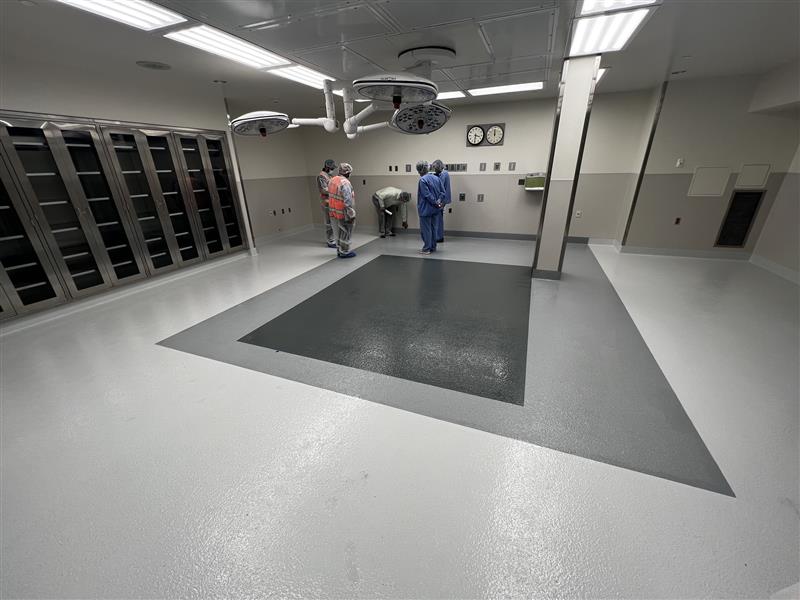
For warehouses and industrial spaces, consider epoxy coatings or polished concrete. Epoxy provides a tough, chemical-resistant surface. Polished concrete is also durable, and it looks good. Commercial properties might prefer decorative concrete with stains or dyes to create an attractive, durable surface. For homeowners, especially in garages, epoxy is a popular choice because it's tough and easy to clean.
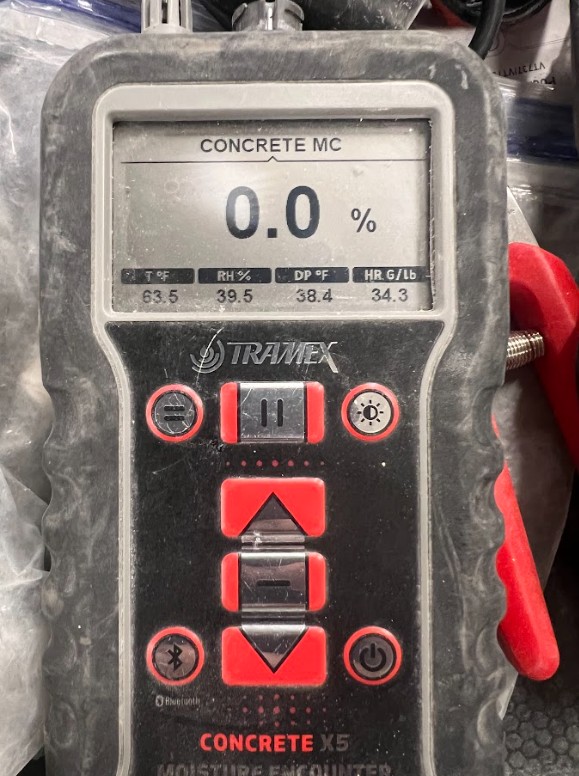
When concrete flooring fails in Colorado, it's often due to moisture, poor installation, or using the wrong finish. RFE offers ways to fix these problems. We can help you find the issue, prep the surface, and apply the right coating or finish for long-term performance. Doing it right the first time saves you trouble and money.
Colorado's weather impacts concrete. Freeze-thaw cycles occur when water enters the concrete, freezes, expands, and cracks it. This process repeats, causing damage. Intense UV exposure at higher altitudes breaks down sealants and finishes quickly. Altitude affects the concrete's curing process.
Picking the right finish matters. It protects your investment from Colorado weather. A good finish acts as a shield. Skipping this step or choosing the wrong product leads to cracks, spalling, and expensive repairs.
RFE offers solutions for these challenges. We know what works in this climate. We can help you pick a finish that looks great and lasts. Whether it's a warehouse floor, commercial property, or garage, the right concrete finish is key for long-term durability. It makes a difference.
Traffic volume greatly affects your concrete flooring choices. High-traffic areas need finishes that withstand constant use. Forklifts, cars, and heavy foot traffic cause wear. A durable finish, like heavy-duty epoxy, prevents damage and costly repairs. Neglecting this can cause cracking and an unsafe space.
Looks matter, especially in commercial or residential spaces. Your finish should match the design and create the right feel. Do you want a modern look, or something rustic? Staining, polishing, and overlays help meet goals. Color and texture affect a space; they can influence customer views and employee attitudes.
Budget is always something to consider. Concrete finishes have different prices, considering material and install costs. Polished concrete might cost more at first, but its durability can make it cheaper over time. Simpler finishes might be cheaper to start but need more repairs. Weigh the first cost against the long-term benefits to make a smart choice.
Think about maintenance. Some finishes are easier to clean than others. Epoxy resists stains, so it works in hospitals or food plants. Other finishes need sealing to stay nice and resist damage. Consider the time you will spend on upkeep when you pick a finish.
Slip resistance is a key safety point, especially where it gets wet. Polished concrete can get slippery if not treated. Adding a non-slip item or picking a textured finish can improve grip and cut accident risk. Focusing on slip resistance makes a safe space for people, and it can help you avoid liability problems.
Epoxy flooring is a popular choice for warehouses and factories, and for good reason. It's tough. These floors can handle heavy machinery, dropped tools, and lots of foot traffic without damage.
Plus, you can change it to fit your needs. You can embed colors, patterns, and even logos in the epoxy. It’s a great way to make a space look professional and build your brand.
But factories aren't the only places for epoxy. Stores, auto shops, dealerships, and even hospitals are using it more often. Here is why: It resists chemicals. Spills happen, especially in these environments. Epoxy handles oils, solvents, and even some acids without staining or breaking down.
Some people worry about the cost. Epoxy can cost more at the start than other flooring choices. But when you consider how long it lasts and how little upkeep it needs, it often pays for itself. Another worry is putting it in. This isn't a DIY project. You need someone who knows how to prep the concrete and apply the epoxy evenly. If you don't, you could get bubbles, cracks, or peeling, and no one wants that. We work with many clients who tried it themselves and then called us to fix it. Save yourself the trouble and call a pro.
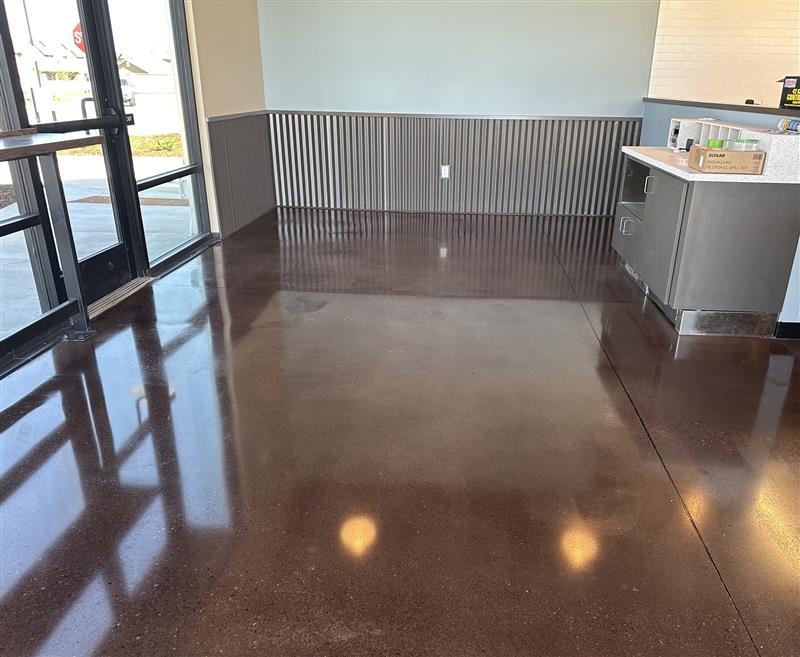
If you want a floor that lasts and looks good, think about polished concrete. The process grinds the concrete surface, then polishes it to the sheen you want. Note: you'll need special tools, so it's not a quick weekend project.
One big plus for polished concrete is how it reflects light. A polished floor bounces light, brightens a room, and may lower your energy bill. Plus, it’s easy to clean. Sweep and mop, and you are done. Forget struggling with stains or replacing old carpets.
You also have choices for how it looks. Stain the concrete before polishing to add color. Or, add decorative stone when pouring the concrete for a special look. Darker stains can show scratches, so think about foot traffic when you pick a color.
Polished concrete is not right for every place. It can be slick when wet, so it might not work in bathrooms or kitchens. Also, heavy hits can still cause chips or cracks, even though it's strong. But polished concrete gives many Colorado buildings, like stores or modern homes, a good mix of looks and long life.
Let's discuss concrete sealers. They are key to keeping your concrete floors in good shape, especially in places with varied weather. There are a few main types to know.
First, consider acrylic sealers. These are often the most affordable and easiest to apply. They provide a nice, glossy look, but they don't last as long as other choices. You may need to reapply them after a year or two. They work well for areas without heavy traffic or harsh chemicals.
Next, there are polyurethane sealers. These are tougher than acrylics. They resist scratches, chemicals, and UV rays better. They are a good pick for commercial spaces or garages where you need something more lasting. Plan to reapply these every three to five years, depending on wear.
Finally, there are penetrating sealers. These don't form a film on the surface. Instead, they soak into the concrete and create a chemical barrier. They are great for guarding against moisture and stains without changing the concrete's look. Penetrating sealers can last a long time, sometimes up to 10 years. However, it depends on the product and the conditions.
No matter which type you pick, clean and prep the concrete surface before applying the sealer. If you don't, it won't stick well, and it might peel or flake. Always follow the maker's directions. They know their product best!
Colorado's unique climate, with its freeze-thaw cycles and intense sun exposure, significantly impacts concrete durability. Selecting a finish that can withstand these conditions is crucial for longevity. Consider factors like moisture resistance and UV protection when making your choice.
Beyond aesthetics, consider the functional requirements of your concrete surface. High-traffic areas benefit from durable, slip-resistant finishes, while decorative surfaces may prioritize color and texture. Evaluate maintenance needs and long-term costs.
Stamped concrete offers a decorative option mimicking stone or brick, while exposed aggregate provides a textured, non-slip surface. Polished concrete delivers a sleek, modern look, but may require professional installation. Each finish offers distinct advantages for Colorado properties.
Let's explore concrete stains. They offer a great way to enhance indoor and outdoor concrete surfaces, and they give you a lot of creative options. There are two main types: acid-based and water-based.
Acid stains react with the concrete. This creates a unique, mottled look that becomes part of the concrete. The color range leans toward earth tones, like browns, tans, and subtle greens. Water-based stains sit on top of the concrete, like paint. This gives you a much larger color selection, including bright blues, reds, and yellows.
Application matters. For acid stains, prep the surface. Clean it well, and ensure it is porous, so the stain can penetrate. Water-based stains are more forgiving, but a clean surface is still needed. For both, apply multiple thin coats instead of one thick coat to avoid uneven color.
Also, add a topcoat. A good sealer protects the stained concrete from wear, UV damage, and spills. It will extend the life of your stained concrete. This is important in Colorado, where intense sun and changing temperatures can damage exterior surfaces. Skipping a topcoat is a common error, and it causes fading, staining, and the need to redo the work.
Concrete overlays offer a way to fix damaged concrete or update its look without a full replacement. Several types exist, each suited to specific needs.
Micro toppings are thin, just millimeters thick. They work well for resurfacing concrete that is mostly sound but has minor flaws, like small cracks or discoloration. You can also make a smooth surface for staining or other finishes with them.
Stamped overlays are thicker, about a quarter to a half-inch. This lets you imprint patterns before hardening, copying the look of brick, stone, or tile. It's an affordable method to gain a high-end appearance without the cost. You do need a skilled installer to get the patterns correct and avoid an unnatural look.
Self-leveling overlays are different. They create a smooth surface, even if the existing concrete is uneven. They are poured as a liquid and spread, filling in low spots as they dry. These are often used in industrial or commercial spaces where a seamless floor is needed. A common error is not prepping the concrete below, which can cause cracking later. Be sure to clean the surface and apply a bonding agent.
Should you finish concrete yourself or hire a pro in Colorado? It's a big question. First, consider the project's complexity. If you are handy, a simple garage floor might be DIY-able. A decorative, multi-level patio is probably best left to experts.
Your skill level also matters. Have you worked with concrete before? Do you know how to properly mix, pour, and finish it? If not, the learning curve can be steep, and mistakes are costly. Professionals have the experience to avoid common mistakes.
Then there's the equipment. Concrete finishing isn't just about applying some material. You might need a concrete mixer, power trowel, grinder, and other tools. Renting these can add up, and buying them is a real investment.
So, you're leaning toward hiring someone. How do you make sure you get a good job? Ask for references and check their previous work. A good contractor will provide them. Get a written quote that outlines the scope of work, materials, and timeline.
Budget is always a factor. DIY can seem cheaper at first, but consider the cost of tools, materials, and possible mistakes. A professional might cost more at first, but their skill can save you money by preventing problems and ensuring a finish that lasts. Also, clarify payment schedules and warranty information. Knowing these things protects you and your investment.
You have a great concrete floor. How do you keep it looking great? Different finishes need different care. Sealed concrete is fairly easy to care for. Sweeping and mopping with a mild cleaner usually works. Waxes need to be stripped and reapplied now and then.
For stamped concrete, watch the sealant. Colorado's freeze-thaw cycles are hard on it. Check the sealant every year and reapply when needed to keep out water.
Stains happen. For oil, try a cleaner that removes grease. For rust, use a rust remover. Act fast! The longer a stain sits, the harder it is to remove. Always test your cleaning product in a small, hidden spot first. You don't want to make things worse.
Taking steps to prevent problems is key. Use mats at entrances to catch dirt. Put felt pads under furniture legs to prevent scratches. For garages, think about an epoxy. It is very strong and resists oil and chemicals.
What if you ignore upkeep? Expect cracks, stains, and color changes. A concrete floor that is not cared for will need costly fixes or replacement. A little care makes a big difference!
Concrete flooring in Colorado can be tricky. The climate can cause problems, like freeze-thaw cycles. Problem-solving is key. At RFE, we focus on solutions. We make sure your concrete floors last, despite Colorado weather.
Warehouses need floors that handle heavy machinery. We've used a specialized epoxy coating on several projects. It resists abrasion and impact. It prevents cracks and damage that can lead to costly repairs.
Restaurants are different. Spills happen, so floors must be easy to clean and slip-resistant. We’ve installed polished concrete floors with a non-slip additive in Denver restaurants. The result is a durable, attractive surface. It handles heavy foot traffic and constant cleaning.
Garages need tough flooring. We've helped homeowners transform their garages with epoxy coatings. These resist oil stains, chemicals, and hot tire pickup. A properly installed concrete floor is an investment in your property. We have the experience to handle Colorado's challenges. We ensure dependable performance and long-term durability.
Are you trying to figure out the best concrete finish for your Colorado property? This is a big decision, and this information should give you a clearer picture of what to consider. It comes down to durability, looks, and your budget. Don't skimp on durability, especially with Colorado's weather. Think about the floor's wear and tear.
Looks matter. You want something that looks good and fits your property's style. A fancy finish might not always be the most practical. Be realistic about what you can afford, but don't go for the cheapest option. It might cost you more if it doesn't last.
What if you're dealing with existing concrete flooring problems like cracks? Don't just slap a finish on top and hope for the best. Colorado's freeze-thaw cycles can mess with concrete. RFE offers solutions to address these challenges, ensuring your floor can handle the climate. We offer proper repairs and surface preparation before any finish goes down.
Making the right choice means balancing these factors. It can feel overwhelming. Talking to a concrete finishing expert is a smart move. They can assess your needs, explain your options, and help you make a decision that works for your property and your wallet. Reach out to a qualified professional. It’s an investment that can save you trouble and money.
Key Metrics for Evaluating Concrete Flooring Performance in Colorado